
![[Readers Insight] When to Use Acetone as a Mobile Phase?](http://www.welch-us.com/cdn/shop/articles/acetone-1080-410_750x.jpg?v=1776059707)
[Readers Insight] Когда использовать ацетон в качестве подвижной фазы?
Эта статья написана штатным автором Welch's Хроматографи Маунд. Содержание статьи представляет исключительно точку зрения автора.
Содержание
Введение
Ацетон — распространенный растворитель в аналитических исследованиях, известный своей исключительной растворяющей способностью. Он эффективно растворяет различные органические вещества, жиры, каучуки и модифицированные целлюлозы. Кроме того, ацетон действует как универсальный «многозадачник» для регулировки полярности, поскольку он смешивается с растворителями различной полярности, включая воду, метанол, этанол, этиловый эфир, дихлорметан, хлороформ, пиридин и н-гексан.
Хотя ацетон является основным компонентом при предварительной обработке проб, он редко используется при приготовлении подвижных фаз. В этой статье мы объясним причины ограниченного использования ацетона и когда его следует использовать.

Практическое применение ацетона в подвижных фазах
Ацетон указан в некоторых нормативных методиках. Например, в китайском национальном стандарте GB/T 19681-2005 (Метод определения красителей Судан в продуктах питания — Высокоэффективная жидкостная хроматография) ацетон используется в подвижной фазе. В более позднем GB/T 29663-2013 (Определение Судана I, II, III, IV в косметике — Высокоэффективная жидкостная хроматография) ацетон также используется в качестве органической фазы в подвижной фазе.
Причина использования ацетона в этих стандартах будет объяснена в последней главе.
7.2.1 Условия прибора:
- Колонка: Zorbax SB-C18 3.5 мкм, 4.6 мм × 150 мм (или эквивалент)
- Подвижная фаза:
Фаза A: 0.1% муравьиной кислоты в воде/ацетонитриле (85:15)
Фаза B: 0.1% муравьиной кислоты в ацетонитриле/ацетоне (80:20) - Градиентная программа:
Скорость потока: 1 мл/мин
Температура колонки: 30 °C
Длина волны: Судан I: 478 нм; Судан II, III, IV: 520 нм; переключение после появления пика Судана I.
Объем инъекции: 10 мкл
Градиентный профиль (опущен)
Условия прибора в GB/T 19681-2005
Почему ацетон используется редко?
Ответ прост. Основная причина, по которой ацетон редко используется в качестве органической фазы в обращенно-фазовой хроматографии, заключается в том, что метанол и ацетонитрил удовлетворяют подавляющее большинство требований по элюированию и разделению.
Суть элюирования заключается в изменении полярности подвижной фазы путем регулирования соотношения ее компонентов. Когда метанол или ацетонитрил смешивается с водой в любом соотношении, получающийся диапазон полярности достаточен для удовлетворения потребностей в разделении большинства соединений, что делает использование ацетона в большинстве случаев ненужным.
Когда мы используем ацетон?
При использовании ацетона в качестве подвижной фазы должны соблюдаться следующие условия:
1. Доля не должна быть слишком высокой
Ацетон обладает относительно низкой полярностью и более сильной элюирующей способностью, чем ацетонитрил. При использовании ацетона в качестве органической фазы его доля не должна быть слишком высокой.
Если анализируемое вещество является высокополярным или умеренно полярным, ацетон часто не подходит в качестве органической фазы, поскольку соединения могут элюироваться из колонки слишком быстро, что не позволит достичь хорошего разделения.
2. Длина волны обнаружения должна быть выше 330 нм
Длина волны отсечки УФ-излучения ацетона составляет примерно 330 нм. Когда длина волны обнаружения ниже этого значения, может происходить сильное фоновое поглощение, приводящее к:
- повышению базовой линии
- увеличению шума
- маскировке целевого пика
3. Обратите внимание на воздействие на колонку и прибор
Высокие доли ацетона или длительное использование ацетона могут:
- повредить химические связи в стационарной фазе;
- вызвать потерю стационарной фазы;
- сократить срок службы колонки;
- вызвать набухание или повреждение полимерных материалов в уплотнениях насосов, дозирующих клапанах и аналогичных компонентах.
Поэтому, когда ацетон используется в качестве подвижной фазы, необходимо не только контролировать его долю, но и промывать колонку и систему метанолом после использования для удаления остатков.

Пример: Использование ацетона при анализе красителей Судан
Теперь мы объясним, почему ацетон используется при анализе красителей Судан. Судан I, II, III и IV — это соединения с крайне низкой полярностью, которые могут выпадать в осадок, если доля воды в подвижной фазе слишком высока. Кроме того, они обладают чрезвычайно сильным удерживанием на обычных колонках C18, что затрудняет их элюирование без неполярной органической фазы.
В этих конкретных случаях даже высокие доли метанола или ацетонитрила могут не обеспечить достаточного градиента полярности для достижения эффективного разделения. Это часто приводит к ситуациям, когда смешанный стандарт показывает четкую хроматограмму, но фактические образцы не обеспечивают адекватного разрешения между целевыми аналитами и примесями.
Кроме того, максимальная длина волны поглощения красителей Судан находится выше 450 нм, что удовлетворяет требованию, согласно которому длина волны обнаружения остается выше УФ-отсечки ацетона.
| Соединение | Номер CAS | Химическое название | Формула | Относ. Молекулярная масса | Структура |
|---|---|---|---|---|---|
| Судан I | 842-07-9 | 1-(Фенилдиазенил)нафтален-2-ол | C16H12ON2 | 248.28 |  |
| Судан II | 3118-97-6 | 1-(2,4-Диметилфенилазо)-2-нафтол | C18H16ON2 | 276.34 |  |
| Судан III | 85-86-9 | 1-{[4-(Фенилдиазенил)фенил]диазенил}нафтален-2-ол | C22H16ON2 | 352.4 |  |
| Судан IV | 85-83-6 | 1-[{2-Метил-4-[(2-метилфенил)диазенил]фенил}диазенил]нафтален-2-ол | C24H20ON2 | 380.45 | 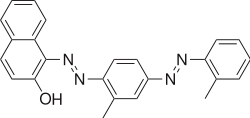 |
Заключение
В заключение, использование ацетона в качестве органического компонента в подвижных фазах ВЭЖХ характеризуется строгими эксплуатационными требованиями и часто является излишним для рутинных аналитических процедур. Его применение остается специализированным, главным образом ограниченным такими конкретными случаями, как определение красителей Судан, где его уникальные химические свойства необходимы для достижения эффективного разделения и элюирования.