


Welch Stainless Steel Fittings: Precision Connections for HPLC & UHPLC
Product Features
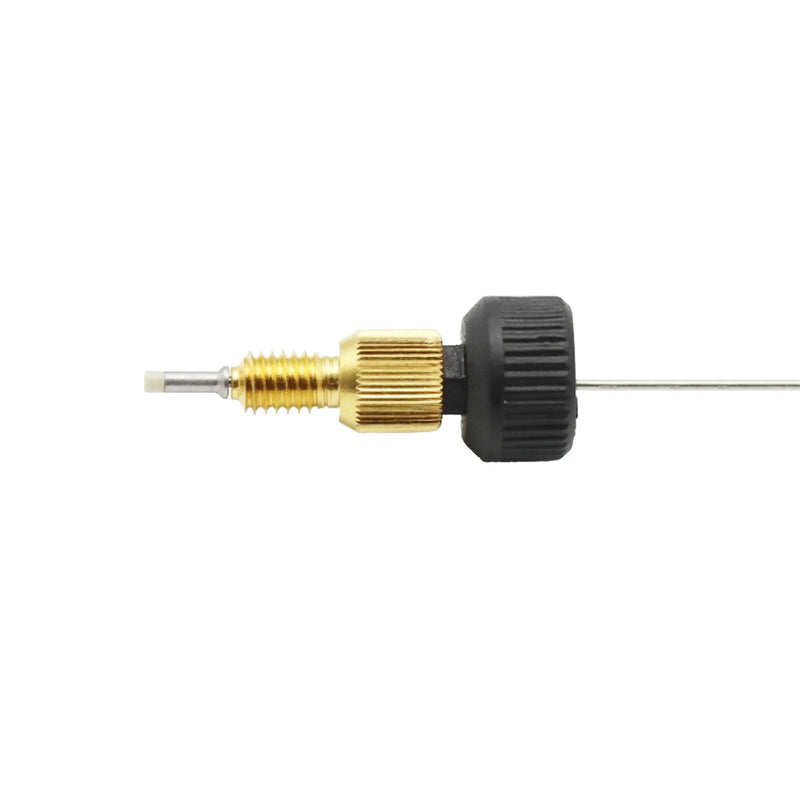
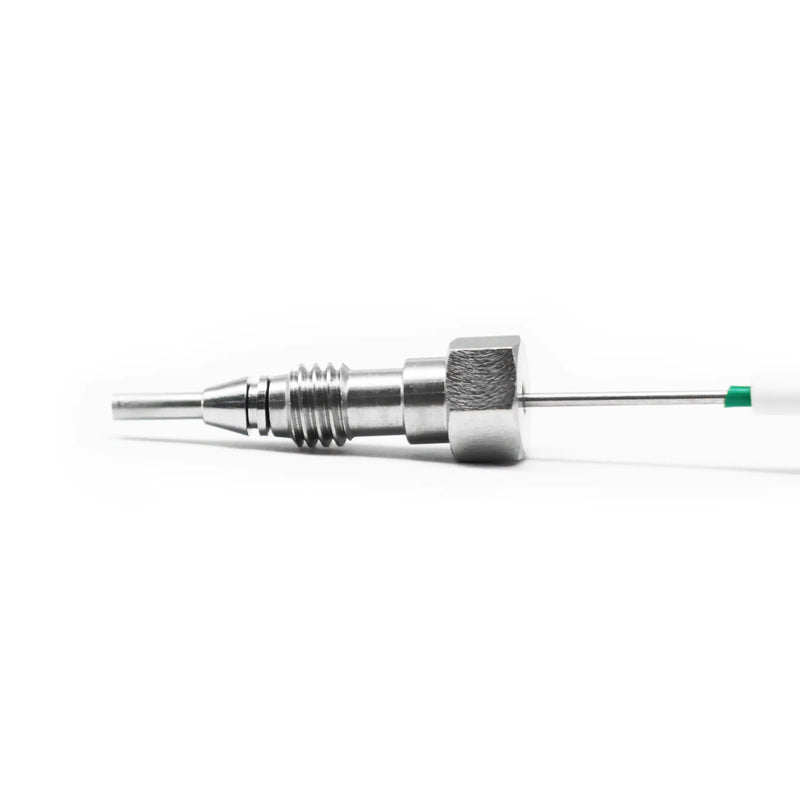
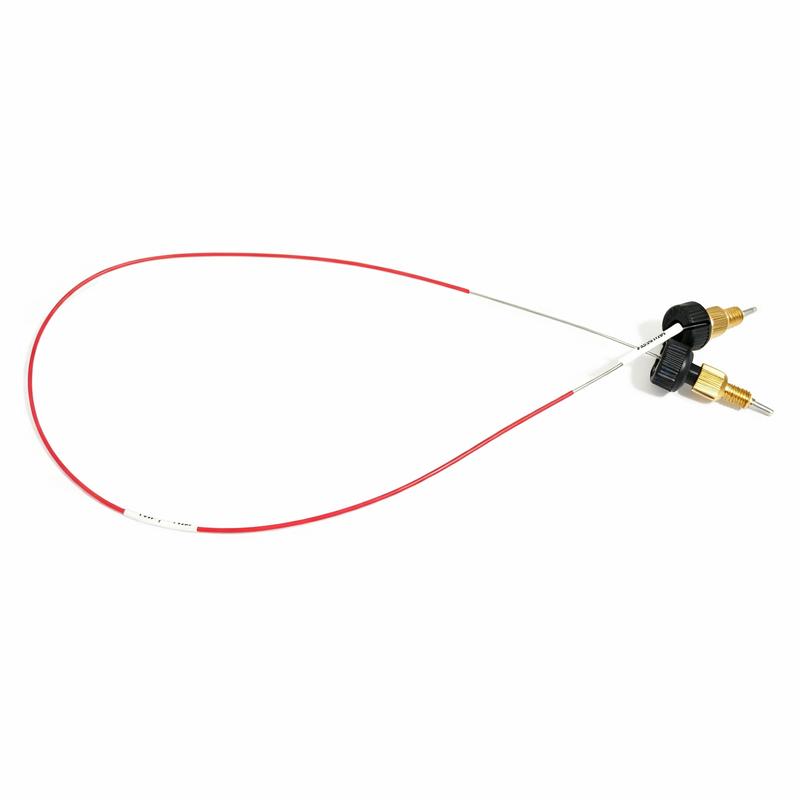
- Tool-free Installation: User-friendly design for quick, hand-tight installation.
- Excellent Sealing: The PEEK ferrule deforms for a perfect seal, preventing leaks effectively.
- Broad Compatibility: The 10-32 screw thread is compatible with most analytical and ghost-catching columns.
-
High Pressure Resistance:
0.18 mm I.D.: Max pressure 40 MPa, covering most HPLC instruments;
0.17 mm I.D.: Max pressure 60 MPa, covering common UHPLC systems;
0.12 mm I.D.: Max pressure 130 MPa, covering UPLC systems.
Precautions when Using Stainless Steel Fittings:
1. Do hand-tightened stainless steel fittings need to be tightened forcefully?
Answer: To allow the PEEK ferrule to accommodate variations in column inner diameters, moderate tightening is required on first use. If leakage is observed, tighten slightly more until there is no leakage at the operating pressure.
Note: Never apply excessive force when tightening, as this may damage the fitting. If the fitting cannot be tightened despite repeated attempts, contact the sales team or replace the fitting and try again.
2. What should be done if a hand-tightened stainless steel fitting becomes stuck?
Answer: During use, if fittings are interchanged and installed into a component with a smaller inner diameter, they may jam in the component's bore. Below is a case where the fitting was used mixedly and stuck in a two-port union due to overtightening.

If the fitting is stuck and cannot be removed by hand, try the following: slightly tighten the fitting so it does not leak, connect a column (or a back-pressure tube) to the opposite end of the fitting, and connect the two-port union to the mobile phase line. Start the pump; when the pressure rises to a certain level, loosen the fitting. Under the action of the mobile phase pressure, the fitting will be expelled from the union bore and can then be removed.
Brand:
Phase:
Particle Size:
Pore Size:
USP Classification:
Separation Mode:
pH Range:
Surface Area:
Carbon Load:
Max.Pressure:
Endcapped:
Max.Temp.:
Particle Shape:
Welch Stainless Steel Fittings: Precision Connections for HPLC & UHPLC
Product Features
- Tool-free Installation: User-friendly design for quick, hand-tight installation.
- Excellent Sealing: The PEEK ferrule deforms for a perfect seal, preventing leaks effectively.
- Broad Compatibility: The 10-32 screw thread is compatible with most analytical and ghost-catching columns.
-
High Pressure Resistance:
0.18 mm I.D.: Max pressure 40 MPa, covering most HPLC instruments;
0.17 mm I.D.: Max pressure 60 MPa, covering common UHPLC systems;
0.12 mm I.D.: Max pressure 130 MPa, covering UPLC systems.
Precautions when Using Stainless Steel Fittings:
1. Do hand-tightened stainless steel fittings need to be tightened forcefully?
Answer: To allow the PEEK ferrule to accommodate variations in column inner diameters, moderate tightening is required on first use. If leakage is observed, tighten slightly more until there is no leakage at the operating pressure.
Note: Never apply excessive force when tightening, as this may damage the fitting. If the fitting cannot be tightened despite repeated attempts, contact the sales team or replace the fitting and try again.
2. What should be done if a hand-tightened stainless steel fitting becomes stuck?
Answer: During use, if fittings are interchanged and installed into a component with a smaller inner diameter, they may jam in the component's bore. Below is a case where the fitting was used mixedly and stuck in a two-port union due to overtightening.
If the fitting is stuck and cannot be removed by hand, try the following: slightly tighten the fitting so it does not leak, connect a column (or a back-pressure tube) to the opposite end of the fitting, and connect the two-port union to the mobile phase line. Start the pump; when the pressure rises to a certain level, loosen the fitting. Under the action of the mobile phase pressure, the fitting will be expelled from the union bore and can then be removed.
Brand:
Phase:
Particle Size:
Pore Size:
USP Classification:
Separation Mode:
pH Range:
Surface Area:
Carbon Load:
Max.Pressure:
Endcapped:
Max.Temp.:
Particle Shape:
Purchasing outside the United States?
Looking to purchase this product for delivery outside the U.S.? Find your local distributor, or request a quotation from our team if no distributor is available in your country.